Marketing Through Every Season: What Mountain Communities Know That Most Businesses Don't
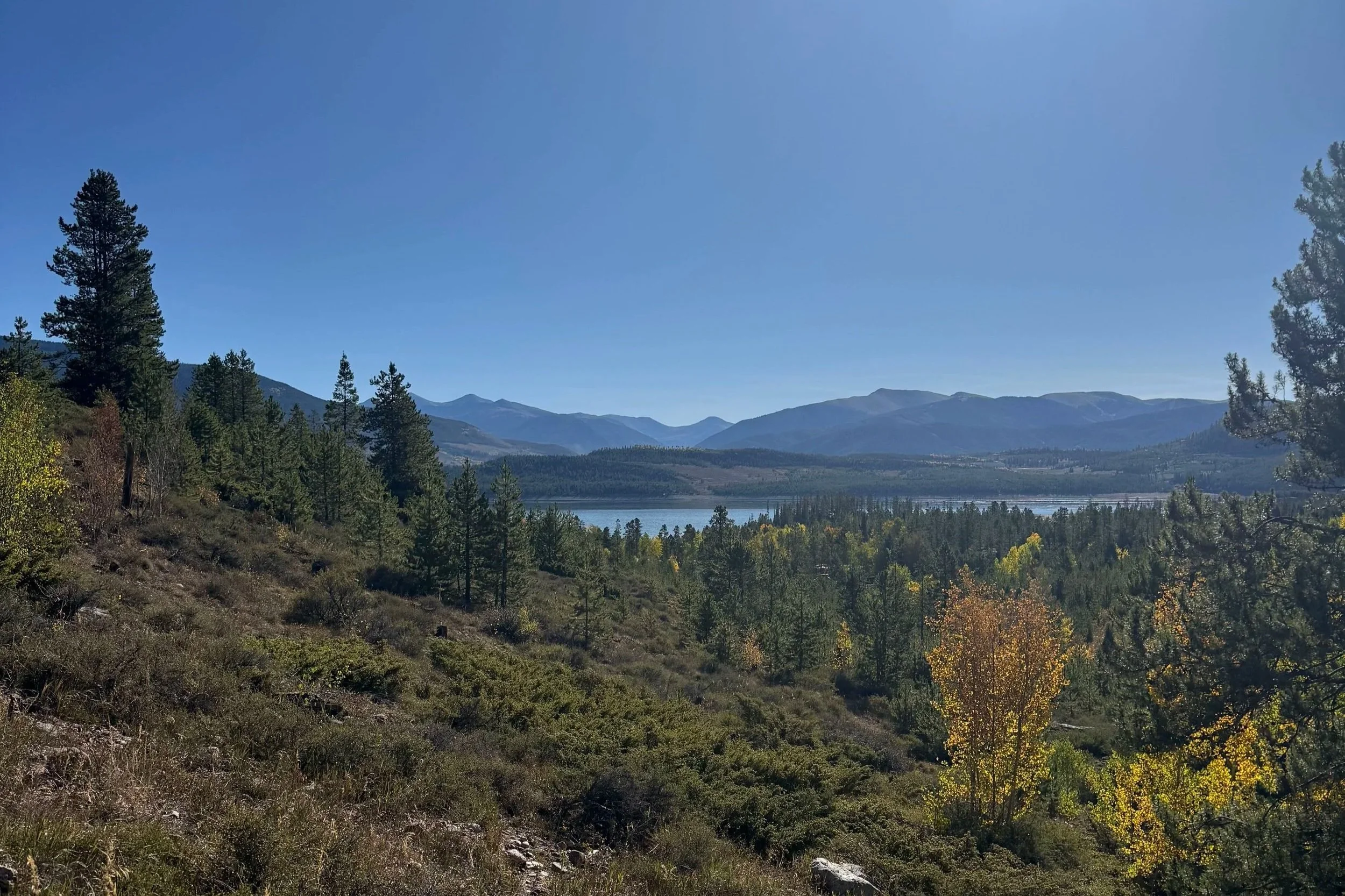
Ask any business owner in Summit County what the hardest part of running and marketing a business in the mountains is, and most will say the same thing: the change in seasons.
Busy season feels like a crazy rush with no end in sight. Meanwhile, the slower months feel like a guessing game. Then, around mud season, when the ski runs close and the hiking trails are still too muddy for most hikers, many businesses disappear from the scene and wait for the next rush.
And that, friends, costs more than most people realize.
Seasonality in Mountain Communities Is Its Own Thing
Seasonal business marketing is a common enough topic. But the version that plays out in mountain communities like those across Summit County is more layered than the standard advice accounts for.
You're not dealing with one slow season. You're dealing with multiple distinct cycles with different rhythms, audiences, and opportunities. Summer brings hikers, mountain bikers, and vacationing families. Winter brings skiers, destination travelers, and a very different kind of customer. And in between, you have two shoulder seasons — spring mud season and early fall — that most businesses treat as a time to disappear.
That's where most Summit County tourism marketing strategies fall apart. One of the most expensive miscalculations your seasonal business can make is assuming visibility only matters when foot traffic is high.
Why Disappearing in the Off-Season Has Long-Term Costs
Search engines don't take a break when your business does. Neither do your potential customers.
A traveler planning a summer trip to Breckenridge in February is already searching. A couple considering a fall getaway to Frisco is looking at Instagram in July. The decision to visit, book, or buy often happens weeks or months before the actual trip, which means businesses visible during slower periods get chosen when the busy ones arrive.
Your off-season effort directly affects your peak-season results: A blog post published during mud season can rank steadily and bring in traffic through the peak season. An email sent in October to past customers can drive bookings for the following spring.
Going quiet doesn't just cost you visibility. It costs you the compounding effect of consistent presence, and that's a much harder thing to rebuild than most businesses expect.
Marketing That Fits Each Season
Here’s a practical way to think about year-round marketing in a seasonal mountain community like Summit County:
Peak seasons (summer and winter): Focus your marketing on conversion. Your audience is ready to book, buy, or visit, so make it easy with clear offers, strong calls to action, and content that answers the questions they're already asking. Local SEO matters here more than anywhere else. When someone searches "things to do in Dillon Colorado" or "best restaurants in Breckenridge," you want to be in those results.
Shoulder seasons (mud season and early fall): Locals are now your primary audience. They’re the ones who’ll refer visitors, leave reviews, and keep coming back regardless of the season. Content that feels personal to locals and focuses on local community topics is key during this time and usually performs best.
The planning window (late fall and early spring): This is key decision-making time for travelers, so your content should speak directly to people still in research mode and searching for helpful guides and local recommendations.
The Community Connection That Gets Overlooked
Mountain town businesses have something many brands spend years trying to manufacture: a genuinely loyal local community.
That community doesn't need to be marketed to the same way tourists do. They need to be included, acknowledged, and heard. Businesses that invest in that relationship during the slow seasons build a much more stable foundation when peak rolls around. Locals refer people, leave reviews, and come back even when the rates are higher.
Marketing that builds community year-round isn't a luxury. For businesses operating in tight-knit mountain towns, it's part of the strategy.
Colorado Business Tips for Staying Consistent Without Burning Out
Sustaining a year-round marketing presence when your business is inherently seasonal takes planning. Here are a few approaches that work:
Build content in the off-season for use during peak. When things slow down, use that time to create your blog posts, email templates, and social content calendars. Future you will be grateful.
Repurpose what already works well. A summer blog post about hiking trails doesn't need to be retired just because the fall season rolls around. Instead, update the post for the new season, swap out the images, and let it keep working for you.
Anchor your calendar to your audience's calendar, not just your own. When are your customers planning their trips? When are they booking? Work backward from those moments.
Keep your email list warm year-round. A list that goes cold is hard to reactivate. A short, genuine email during mud season, even if it is just a quick update from the team, does more than a hard sales push in peak season to someone who hasn't heard from you in months.
The Grit and Glimmer Takeaway
Business seasonality in Summit County isn't a problem to solve, but instead a steady rhythm to understand and work with.
There’s no need to fight the calendar— instead, you just need to start using it. When you do, you’ll soon find that the trust you build along the way doesn't simply evaporate when the snow melts or the trails get muddy.
2027 is closer than it feels. If you want to go into next year with a content strategy that accounts for the peaks, shoulder seasons, and everything in between (and not just the seasons you’re busy), we'd love to help you build it. Reach out today and let's start planning.
Still Have Questions? We've Got Answers.
What is mud season marketing and why does it matter in Summit County? Mud season refers to the window between ski season and summer, typically April through May, when foot traffic drops significantly. Most businesses use it to step back. Those that stay active use it to build their content foundation, nurture existing customer relationships, and set up the marketing work that will carry them through the next peak season.
Does marketing during mud season actually make a difference? More than most people expect. Businesses that stay consistent and visible during that time frame are at an advantage when booking season opens. Consistent off-season content also builds search authority that compounds over time, so the work you do in April can still be bringing in traffic in July.
How do I market to locals differently than tourists? Marketing to locals emphasizes building relationships and reinforcing that cozy, “at home” feeling. By creating content that is personal and community-centered, you put your business in a better position to receive which pays off later in referrals, reviews, and long-term loyalty.
How far in advance should I be planning my seasonal marketing strategy? For peak seasons, three to four months out is a reasonable starting point. For a full-year strategy, planning in Q4 for the following year consistently produces the strongest results and gives you enough runway to build solid content ahead of each season.
What type of content performs best for Summit County tourism marketing? Local search-optimized blog content, email newsletters, and social content that reflects the business's real personality tend to outperform generic promotional content in mountain town markets. Specificity matters. Content that could only come from a business located in Summit County will always connect better than content that could belong to anyone.